

You might assume that when a dog opens its mouth wide, it is simply ready for a nap. Sleep and tiredness are certainly common reasons. However, there is much more to this everyday action than meets the eye. If you pay close attention, you will quickly notice your dog displaying this action in moments where fatigue makes no sense at all.
So, why do dogs yawn when they are completely awake? Animal behaviourists have studied this extensively. They have discovered that dogs can yawn to communicate complex emotions, manage stress, or even connect with their owners. It serves as an essential tool for navigating their social environment.
Understanding this subtle form of communication helps you better support your furry friend. By learning to read their context clues and other body language, you can respond appropriately to their needs. This guide explains the hidden meanings behind the big yawn, helping you build a stronger, more trusting bond with your pet.
The many reasons dogs yawn
When a dog is yawning, they are often trying to communicate something specific to the humans or other dogs around them. While falling asleep is an obvious trigger, the psychological reasons are far more fascinating.
To avoid conflict and diffuse tension
One of the most profound reasons dogs yawn is to avoid conflict. In the canine world, a relaxed yawn acts as a calming signal. If your pet encounters an aggressive dog or feels intimidated by a person, they might look away and yawn. This behaviour tells the other party that they are not a threat. Yawning helps them de-escalate a tense situation. If you notice a yawning dog in a dog park, they might just be trying to keep the peace and feeling calm amidst the chaos.
Managing a stressful situation
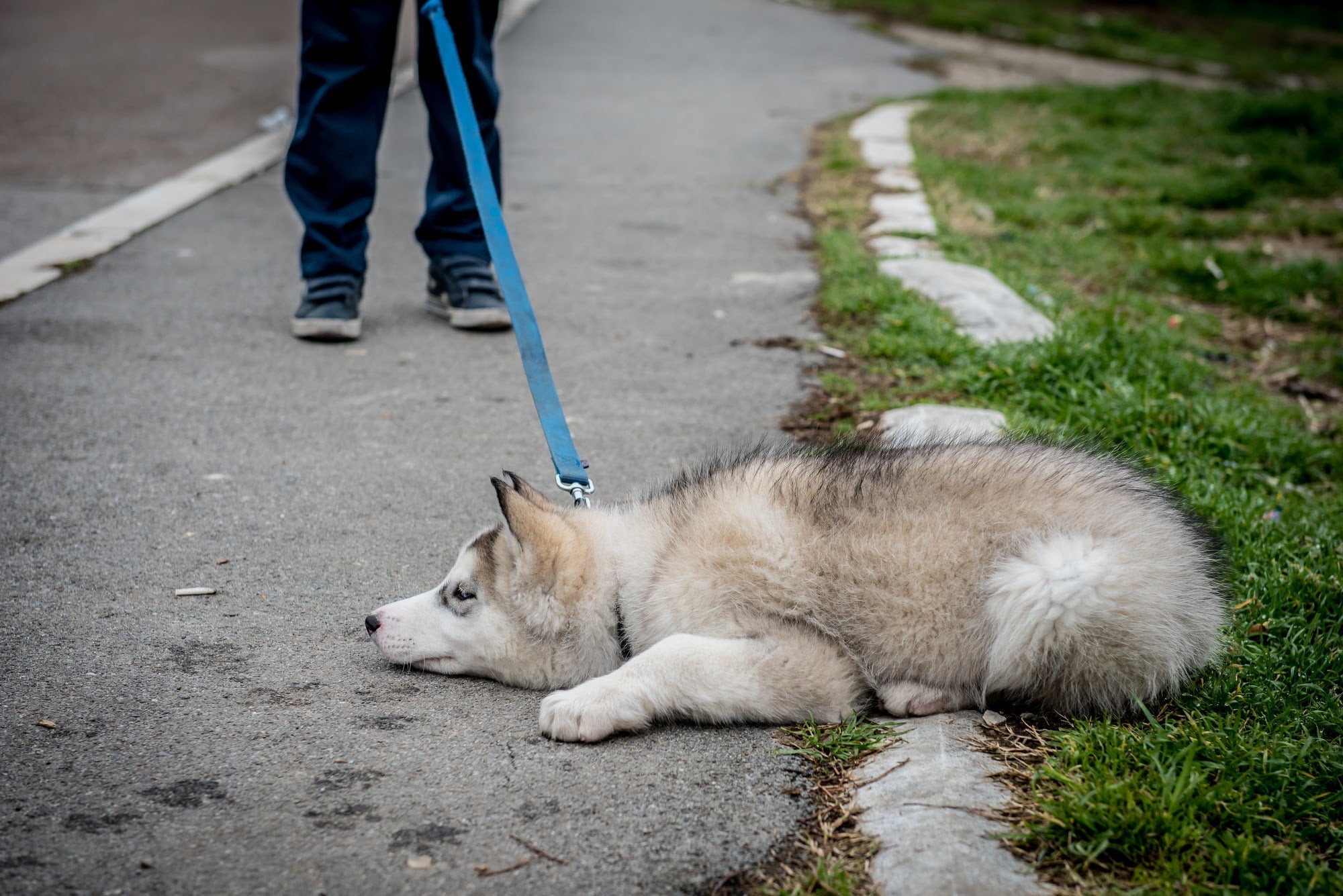
Anxiety and stress are major triggers for yawning in dogs. If you take your pup to the vet or expose them to unfamiliar people, they might start yawning a lot. This is a clear sign that they are feeling anxious or uncomfortable. The action helps them release tension. If your dog exhibits a stressful yawn, look for other signs of discomfort. These might include pacing, hiding, or panting. Giving them a bit more space or moving them to a quiet place can quickly alleviate their worry.
Boredom and the need for mental stimulation
Sometimes, a dog is simply bored. If they are stuck inside without enough physical exercise or mental stimulation, excessive yawning can occur. Boredom can lead to destructive habits if left unchecked. Introducing new training sessions, taking them for a long walk, or providing interactive puzzle toys can easily cure this type of tiredness.
Excitement and anticipation
Interestingly, excitement can also cause a dog to yawn. You might spot this right before you grab their lead or prepare their dinner. The sudden burst of energy and anticipation can be overwhelming. They use the yawn to regulate their emotions and stay somewhat calm.
Contagious yawning: Do dogs catch yawns?
You have probably noticed that if you take a deep breath and yawn, a friend might catch it. Contagious yawning is very common in humans, but did you know it happens with dogs too?
Research suggests that dogs catch yawns from their owners as a form of social bonding and empathy. If you are paying attention and watch your dog closely, try yawning in front of them. You might be surprised to see them yawn in response. This contagious reaction is a good sign. It indicates a strong emotional connection between you and your pet. While cats and other animals might not respond this way, dogs have evolved to be incredibly in tune with human emotions.
When to worry about excessive yawning
A random yawn is perfectly normal. However, if you suspect your dog is yawning excessively, it might be time to investigate further.
If the yawning is accompanied by other body language that indicates pain or distress, you should contact a veterinarian. A medical issue could be causing their discomfort. Dental pain, throat issues, or chronic stress can all lead to abnormal behaviour. Always trust your instincts. If you are concerned about your pet, a professional opinion is the safest route.
How to respond appropriately to your pup
When you see your dog yawning, take a moment to assess the environment. Are they just tired after a long day? Are they feeling cornered by a loud child? By reading the situation, you can figure out exactly what they need.
If they are stressed, remove them from the environment. Give them a quiet corner where they can rest. If they are bored, engage them in a fun game. Sometimes, they just want a cuddle and a bit of reassurance.
Strengthening the bond with your pet
Paying attention to why dogs yawn opens up a whole new level of understanding between you and your canine companion. It proves that our pets are constantly trying to talk to us, using every tool at their disposal.
By recognising a calming signal, addressing their anxiety, and providing the right mental stimulation, you make their world a safer place. Next time you see that big yawn, you will know exactly what to do.










Share:
The Secret Behind the Sound: Why Do Dogs Howl?
Can Dogs Get Jealous? The Truth About Your Pet